Choose pajamas based on the type of sleeper you are
Choose pajamas based on the type of sleeper you are
If you’ve ever woken up tangled in your PJ pants, damp from night sweats, or freezing cold next to a hot sleeper, your sleep probably suffers. You’re not a “bad sleeper”—it’s actually your pajamas that could be part of the problem.
Sleepwear is more than something soft to put on at the end of the day. What you wear to bed should be a comfy but carefully calibrated choice that supports deep rest. The right pajamas can help your body regulate temperature, reduce irritation, and support the way you naturally move at night. The wrong ones can trap heat, cling in the wrong places, and pull you out of sleep again and again.
We’ll walk you through how to choose pajamas based on your unique sleep profile—your temperature, your go-to sleep position, and the fit your body actually needs.
Do You Know Your Sleep Profile?
Understand your “sleep profile” with a simple three-part checklist:
- Temperature: Do you usually fall asleep hot, cold, or somewhere in between? Do you wake up sweaty, or reach for more blankets at 3 a.m.?
- Position: Do you spend most of the night on your side, back, or stomach?
- Fit & Sensitivity: Do you have a sensitive waistline, changing needs (like pregnancy or postpartum), curves that need more room, or skin that reacts to certain fabrics or seams?
Once you know these three answers, you can build a sleepwear wardrobe that works with your body instead of against it. Let’s break it down.
Temperature: Choosing Fabrics for Your Personal Sleep Temp—Hot, Cold, or In-Between
If you’re a hot sleeper or deal with night sweats, prioritize breathable, moisture-managing fabrics. Modal, and other soft blends are ideal because they pull moisture away from the skin and let air move freely. Any modal style from the SKIMS Sleep collection is going to be smooth, breathable, and designed to help you feel dry and comfortable through the night.
- Look for easy, relaxed silhouettes like the Soft Lounge Short Sleep Set, a simple slip dress, or a barely there SKIMS Fits Everybody Lace triangle cami and boy short sleep set.
If you’re a cold sleeper, your focus is insulation without bulk. Heavy flannel or fleece, a thicker jersey, and thermal blends hold warmth close to the body while still feeling soft. Go for long sleeves and full-length pants to help keep heat in.
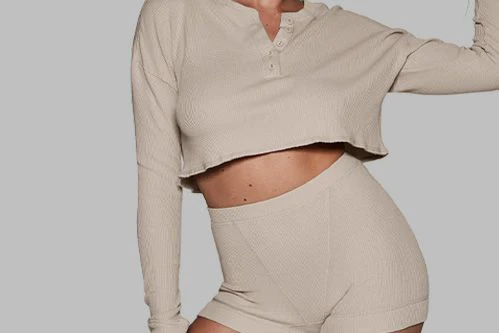
- Our Long-sleeve Button-up Sleep Set gives you that wrapped-in-warmth feeling while still looking polished enough for slow mornings at home. And if you run really cold, don’t sleepwalk on our super fluffy Cozy Sleep Collection.
If your temperature fluctuates, layering is your best friend. Pair a breathable short set with a robe (long or short) that you can slip on and off. Mid-weight fabrics like modal blends or soft ribbed jersey give you enough warmth without locking you in.
- SKIMS Woven Shine collection keeps you warm while keeping it light and easy.
- Another idea: go for alternates to keep it balanced—pair a tank with pants, or do a long sleeve top with shorts or underwear with coverage, like boyshorts or boxers.
Sleep Position: Optimizing Pajama Design to How You Sleep
Fabric is only half the story. The way your pajamas are cut and constructed—and where seams, waistbands, and hardware sit—matters just as much. Let’s get into the details.
Side sleepers can struggle with twisting pants and bunching fabric around the knees or hips. Sound like you? Look for a soft elastic waistband that doesn’t roll or dig in, and minimal seams along the outer leg. You might also want to try a onesie, which will move with you like they did when you were a kid.
- Comfort Tip: Opting for jogger-style pants with soft cuffs at the ankle or leggings will help keep fabric in place. Our relaxed Cotton Fleece Classic Jogger, paired with a soft tee or tank, can stay secure while still giving you freedom to move
Back sleepers may prefer smooth pajamas that feel good all night. Avoid heavy buttons, back seams, and stiff fabrics. Choose pajama tops that sit snugly over the shoulders in modal fabrics, silk-like finishes, or soft cotton blends.
- Comfort Tip: A simple, longline top from SKIMS—like the Boyfriend Long Sleeve T-Shirts—protects you from drafts and won’t bunch up. Or a simple sleep set with buttons in the front will be your best friend.
Stomach sleepers are especially sensitive to bulk and hardware on the front of the body. Skip drawstrings, front buttons, or zip-up onesies. Instead, look for soft, flat waistbands that sit smoothly under the abdomen and lightweight, slightly more fitted tops that won’t bunch up under your chest or ribs.
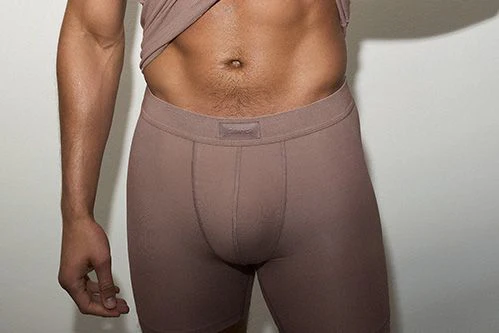
- Comfort tip: A smooth-front SKIMS sleep short or boxers with a flat waistband, plus a soft fitted tank, keeps you comfortable without pressure points.
Special Considerations: Fit, Sensitivity, and Body-Specific Needs
Your ideal pajamas should respect your body’s shape, sensitivities, twists, and turns—not the other way around.
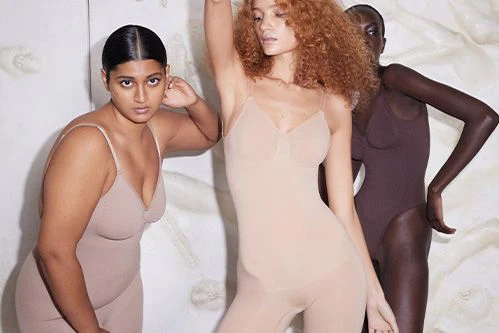
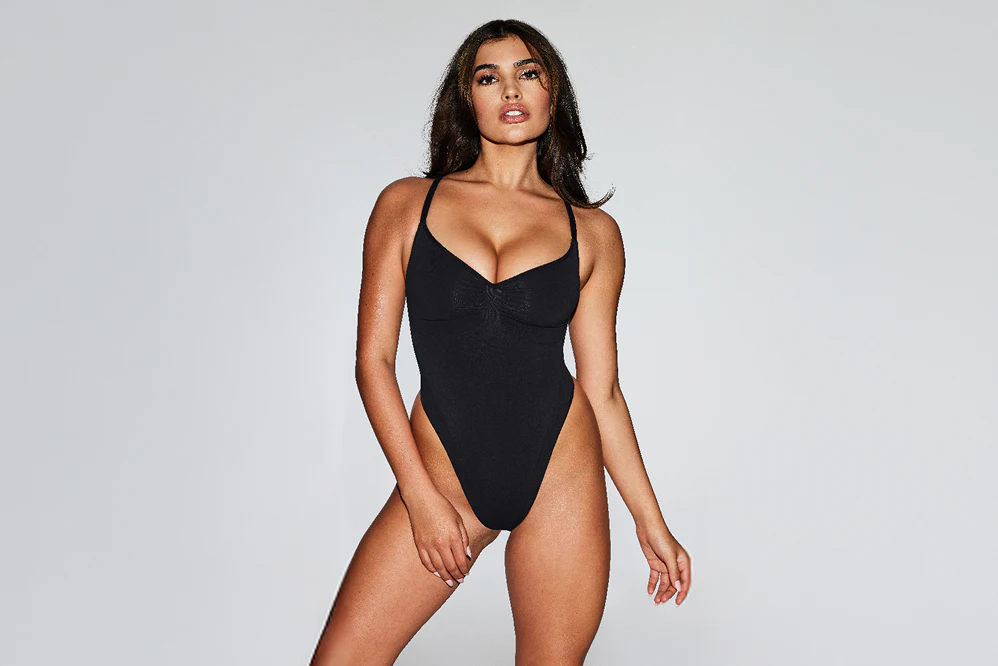
Digging Waistbands: For many people, the waistband is the first point of friction. If your waistline is sensitive, stick to soft elastics. Or even skip cinching altogether and opt for rompers and nightgowns. SKIMS slip dresses come in a range of styles, for when you want to add some glam allure to your lounging and zzz time. The Fits Everybody Lace Onesie is the ideal combo of cute and waistband-free.
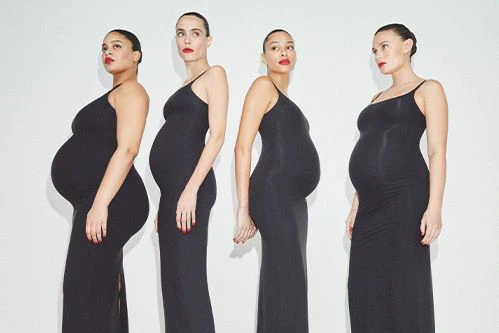
If you’re pregnant or postpartum, prioritize stretch and softness around the belly and bust. Nursing-friendly necklines and ultra-soft fabrics that respond to temperature changes can make a significant difference. A stretchy, bump-friendly dress allows room to grow, while still feeling refined. You might also love a Maternity Onesie or Catsuit paired with a robe. They allow you to move in every position without ever having to adjust the fabrics, with no digging waistband. If you prefer separates or sleep cold, SKIMS Maternity foldover pants have a wide waistband, and when paired with a long sleeve shirt with extra stretch or matching bralette might become your go-to for everything.
Body type can also guide your pajama choices. If your hips and bust are fuller, consider sets where the top has a bit of structure and the bottoms skim rather than cling. Drapey fabrics like modal and silk-like blends, found in many SKIMS sleep styles, move with your curves.
For sensitive skin or sensory needs, look for smooth seams, soft fabrics made of breathable fibers, and simple silhouettes to minimize friction so your body can focus on rest. Additionally, wash your sleepwear regularly to remove irritants like sweat and lotion residue, to keep your nighttime skin feeling fresh.
Make Your Pajamas Last
Even the best fabrics lose their shape and performance if they aren’t cared for correctly. To keep cooling, breathable, and technical fibers working:
- Wash in cold water on a gentle cycle, and turn pieces inside out
- Skip fabric softener—it can coat fibers and reduce their ability to pull sweat away from your skin
- Air dry when possible to preserve stretch and structure, or tumble dry on low heat for sturdier cottons and blends
When you’re investing in elevated sleepwear like SKIMS PJs, these small steps protect the fit, handfeel, and performance of each piece—so it looks and feels as good as new for many cozy nights.
Build a Sleepwear Wardrobe That Works For You
Most people reach for sleepwear before bed, but good pajamas can also double as at-home loungewear or work-from-home outfits. Instead of one “catch-all” set, build a small rotation that covers how you live on those lounging days:
- A breathable short set for hot nights or warm climates
- A mid-weight set or sleep dress and robe for everyday comfort
- A warmer, full-length set for cold seasons or drafty spaces
Mix and match within a consistent palette so your pieces layer well and feel cohesive. With SKIMS, you can build a sleep capsule in tones and fabrics that align with the rest of your wardrobe, so your bedtime looks feel intentional, elevated, and completely you.
When you choose pajamas based on your sleep profile—temperature, position, and fit—you don’t just get comfy. You create a sleep routine that respects your body, supports your goals, and helps you wake up feeling more rested, more confident, and ready for whatever comes next.
FAQs: Choosing Pajamas Based on Your Sleep Profile
What fabrics are best for hot sleepers?
Hot sleepers should look for breathable, moisture-managing fabrics like bamboo, modal, lightweight cotton blends, or technical wicking materials. These help pull moisture away from the skin and support natural temperature regulation.
What pajamas are best for night sweats?
For night sweats, choose lightweight, moisture-wicking fabrics with a relaxed fit that allows airflow. A modal SKIMS Sleep set with a short-sleeve top and shorts is a strong option because it balances softness, breathability, and quick-drying performance.
What fabrics are best for cold sleepers?
Cold sleepers do well in flannel, heavier jersey, thermal blends, and brushed fabrics that trap warmth. Look for long sleeves and full-length pants.
Can I wear the same pajamas year-round?
You can, but you may sleep better with a small rotation. Lightweight, breathable sets are ideal for warmer months, while heavier, insulating sets work better in colder seasons or in air-conditioned spaces.
What pajamas work best for back sleepers?
Back sleepers should avoid thick buttons, heavy embroidery, or bulky seams on the back.
What pajamas are best for stomach sleepers?
Stomach sleepers benefit from lightweight, slightly more fitted tops and bottoms with flat waistbands. Avoid stiff drawstrings and bulky pockets.
How many sets of pajamas do I really need?
For most people, three to five sets cover weekly rotation and laundry. If you deal with night sweats or work out in the evenings, you may benefit from additional sets, so you always have a fresh, dry option ready.
Should I size up in pajamas for better sleep?
Slightly relaxed fits usually feel best for sleeping, but sizing up too much can lead to twisting and bunching. Look for styles designed to be relaxed through the body, rather than relying solely on a larger size.
Are shorts or pants better for sleep?
It depends on your temperature and preferences. Hot sleepers or those in warm climates may feel better in shorts or nightdresses, while cold sleepers or people in cooler environments may prefer full-length pants. Many people keep both and switch based on season and bedding.
How often should I wash my pajamas?
As a general rule, pajamas worn directly against the skin should be washed every few wears, or more often if you sweat at night. Night sweats, sensitive skin, or acne concerns may call for more frequent washing.
Can I wear my sleepwear as loungewear during the day?
Many modern sets are designed to transition from bed to home, especially in elevated fabrics and clean silhouettes. A coordinated SKIMS set in modal or cotton jersey can easily work for relaxed mornings, work-from-home days, or unwinding in the evening.
What is the easiest way to build a sleepwear wardrobe that suits my sleep profile?
Start with three foundations: one breathable short set, one mid-weight set for everyday use, and one warmer full-length set. Choose fabrics and fits tailored to your temperature, position, and sensitivities, then add a robe or layering piece to adjust as your environment changes.